
Common Mistakes People Make When Setting Up a Home Gym
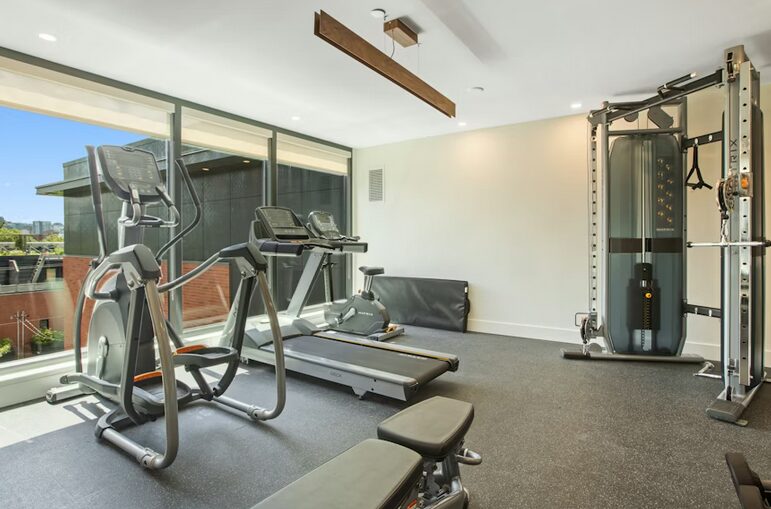
Setting up your home gym can be a great step towards achieving fitness goals, but the process is often riddled with avoidable errors. Many people jump into purchasing equipment or arranging a workout space without fully considering their needs, space limitations, or long-term sustainability. Understanding common mistakes people make when setting up a home gym helps homeowners create an environment that fosters consistent exercise, safety, and enjoyment. From choosing the wrong equipment to neglecting flooring and lighting, these pitfalls can lead to frustration, wasted money, or even injury. This article highlights the top five mistakes and practical ways to avoid them, ensuring a functional and motivating fitness space for the long term.
Choosing Equipment Without A Clear Plan
One of the most frequent errors is purchasing gym equipment without a clear understanding of fitness goals. Many individuals buy machines or weights based solely on trends or advertisements, rather than considering their personal exercise routines. This can result in underutilized items or unnecessary clutter. Before acquiring equipment, define objectives: whether it’s strength training, cardio, flexibility, or a combination. Create a plan that specifies the types of exercises, frequency, and progression over time. Investing in versatile items, such as adjustable dumbbells or resistance bands, maximizes utility while reducing space consumption. Careful selection aligned with personal goals prevents wasted expenditure and creates a gym that is functional for everyday workouts.
Ignoring Space And Layout Considerations
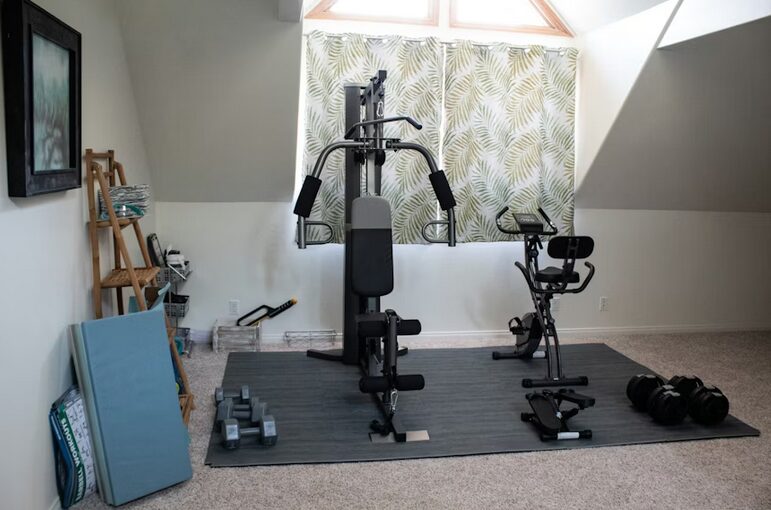
Another common mistake is underestimating the space required for safe and efficient workouts. Many home gyms are set up in cramped areas where movements are restricted or equipment is too close together. Crowded layouts increase the risk of accidents and limit exercise variety. Measure the available area before purchasing machines or mats, and plan pathways for unobstructed movement. Allow sufficient clearance around each piece of equipment, including space for stretching and warm-up routines. Thoughtful arrangement improves comfort, encourages regular usage, and reduces frustration. Optimizing spatial layout can transform a small room into a versatile, functional gym without sacrificing safety.
Poor Lighting And Ventilation
A frequently ignored factor is lighting and airflow, which significantly affect energy levels and exercise performance. Dim lighting or stuffy air can make workouts less inviting, decreasing motivation. Incorporate natural light when possible, supplemented with bright, evenly distributed artificial lighting for evening sessions. Ventilation systems or fans help regulate temperature and prevent humidity buildup, which can affect equipment and create unpleasant conditions. Proper lighting and airflow improve the atmosphere of the home gym, contributing to better focus, mood, and overall workout effectiveness. Neglecting these elements may result in a space that feels oppressive rather than energizing.
Neglecting Flooring And Shock Absorption
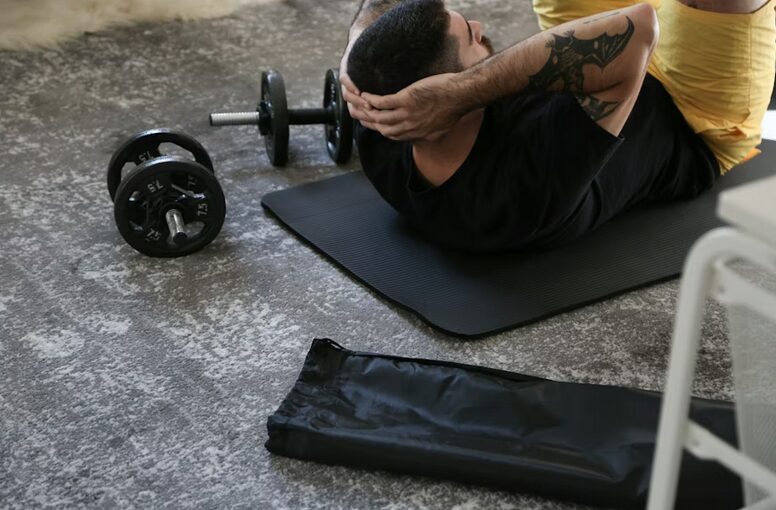
Flooring is often overlooked, but it plays a crucial role in safety, comfort, and equipment longevity. Standard floors may not absorb impact well, increasing the possibility of damage or injury to expensive machines. Installing protective mats or rubber flooring cushions joints, reduces noise, and prevents slips. Additionally, flooring choice can protect the underlying structure from heavy weights and repeated stress. Ignoring this aspect may lead to costly repairs and diminished workout enjoyment. Selecting appropriate, durable surfaces tailored for home workouts is a practical step that improves both safety and functionality of the gym environment.
Overlooking Maintenance And Durability
Many new gym owners focus on initial setup but fail to consider long-term maintenance of equipment. Ignoring cleaning, lubricating, or checking for wear can shorten the life of machines and compromise safety. Regular inspections and upkeep, such as tightening bolts, replacing worn cables, and keeping surfaces clean, prevent breakdowns and accidents. Choosing equipment with warranties or proven durability is also essential to avoid frequent replacements. A home gym that is well-maintained encourages consistent use and protects the investment, making workouts more satisfying and effective over time.
Setting up a home gym is an investment in personal health and wellness, but mistakes in planning, equipment selection, and environment can undermine its effectiveness. By creating a clear workout plan, optimizing space, selecting appropriate flooring, ensuring proper lighting and ventilation, and committing to maintenance, individuals can establish a home gym that is functional, safe, and motivating. Addressing these common errors transforms a simple room into a versatile and enjoyable fitness area, supporting long-term exercise consistency and helping users achieve their personal health objectives.